Light gives plants the energy they need to grow. However, placing a plant near a window does not always mean it is receiving the right amount of light.
Some plants enjoy bright sunlight, while others prefer softer, indirect light. Learning the difference can help you find the best location for your new plant.
Understand the Different Types of Light
Bright, Direct Light
Direct light reaches the plant without being filtered by curtains or other objects. It is commonly found near south- or west-facing windows.
Plants that enjoy direct light may need several hours of sunshine each day. However, direct afternoon sunlight can be too intense for many indoor plants.
Bright, Indirect Light
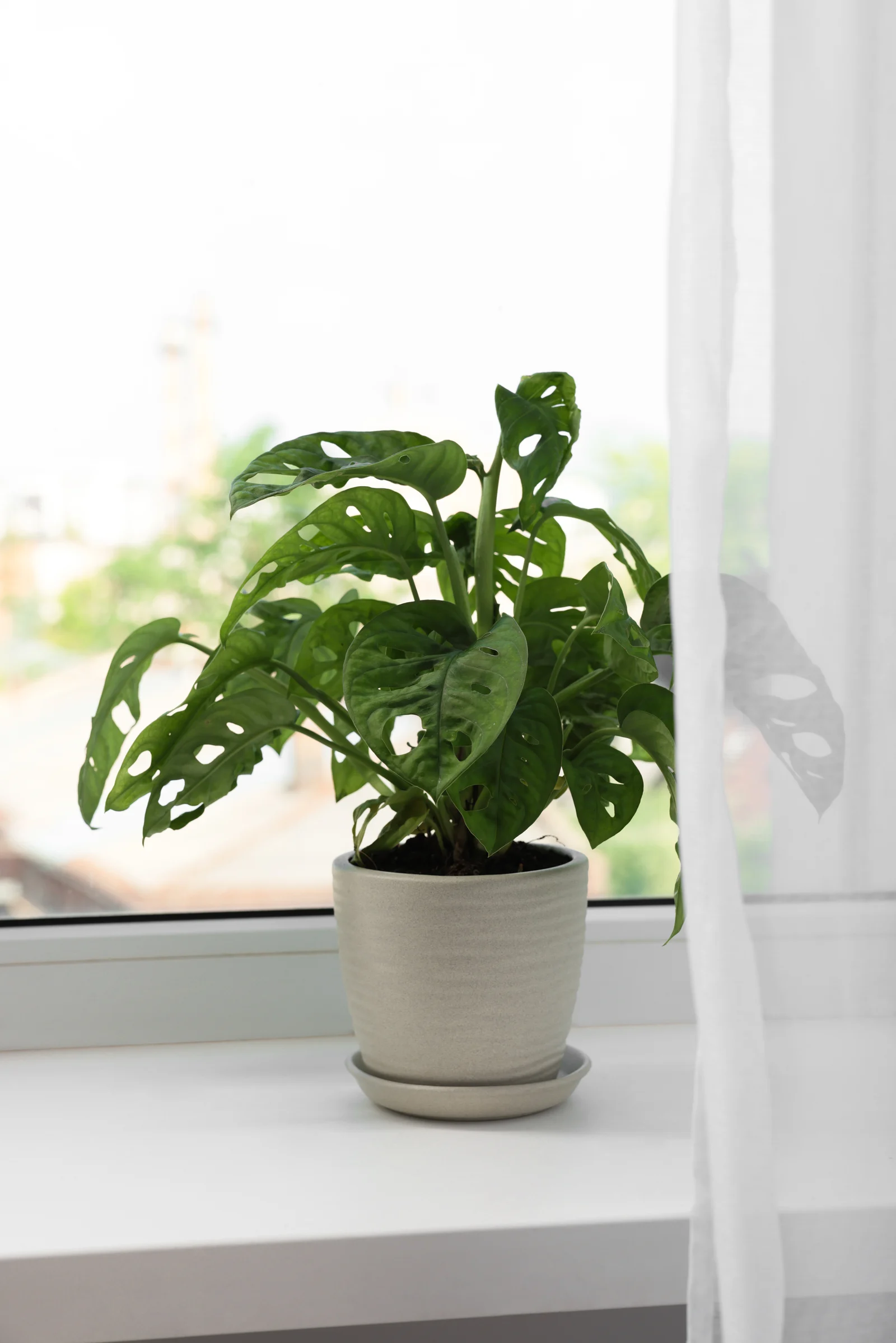
This is strong natural light that does not shine directly on the leaves. It may enter through a sheer curtain or reflect from nearby walls.
Bright, indirect light is ideal for many common houseplants.
Low Light
Low-light areas receive limited natural light and are usually farther away from windows. Some plants can tolerate these conditions, but “low light” does not mean “no light.”
Every plant needs some light to remain healthy.
Choose the Right Location
Start by placing your plant near a window with filtered natural light. Watch how the sunlight moves throughout the room during the day.
If the sunlight shines directly on the leaves for several hours, move the plant farther from the window or use a sheer curtain. If the area remains dark for most of the day, move the plant closer to a window.
Rotate the pot about one-quarter turn every week or two. This encourages even growth and prevents the plant from leaning heavily toward the light.
Signs Your Plant Needs More Light
Your plant may not be receiving enough light if you notice:
- Long, thin or weak stems
- New leaves that are smaller than older leaves
- Slow or uneven growth
- Faded leaf color
- The plant leaning toward a window
Signs of Too Much Light
Excessive sunlight may cause:
- Brown or dry patches
- Bleached or faded leaves
- Curling leaves
- Soil that dries unusually fast
- Wilting during the hottest part of the day
If you notice these signs, move the plant away from direct sunlight and observe it for several days.
Give Your Plant Time to Adjust
Avoid moving your plant to a different location every day. Plants need time to adjust to their surroundings. After choosing a location, monitor the plant for one or two weeks before making another major change.
Finding the perfect light may require a little experimentation, but once your plant settles into the right place, you should begin to see stronger and healthier growth.
At United Life Services, we believe the right environment can help anything grow—including your plant and your business.